
How to Stop Garage Drafts and Seal the Gaps
- LADE TECH

- Aug 1
- 5 min read
A garage should not feel like it has an open window around the edges. If you are wondering how to stop garage drafts, start at the door itself. Most unwanted air enters through worn weatherstripping, a cracked bottom seal, or a door that no longer sits evenly against the opening.
In the Tampa area, garage drafts can also bring humid air, wind-driven rain, leaves, dust, and insects into a space that may store tools, laundry equipment, or items you do not want exposed to moisture. The good news is that many draft problems are visible once you know where to look. The key is fixing the actual gap instead of adding material where it will not last.
Find Where the Draft Is Coming From
Before buying a new seal, inspect the garage door with the door fully closed. Look at the bottom edge, both vertical sides, and the top panel. Do this during daylight if possible. Light coming through the perimeter is a reliable sign that outside air can come through as well.
Stand inside the garage and look for moving cobwebs, leaves gathering near an opening, or streaks of dust along the floor and jambs. On a breezy day, you may be able to feel air movement with your hand. A flashlight at night can help too: have one person shine it around the outside perimeter while another looks from inside.
A draft does not always mean the seal alone has failed. A garage door that is crooked, binding in the track, or stopping short of the floor can leave gaps even with new weatherstripping installed. That distinction matters because replacing a seal on a poorly adjusted door may only hide the problem for a short time.
Replace a Worn Bottom Seal
The bottom seal is the flexible strip attached to the lower edge of the garage door. It compresses against the floor when the door closes, helping block air, water, dirt, and pests. In Florida heat, this material can dry out, flatten, crack, or pull away from its retainer.
Check the seal from inside and outside. If it is brittle, split, flattened in sections, or missing at the corners, replacement is usually the right move. A healthy bottom seal should make even contact with the floor across the full width of the door.
Not every bottom seal fits every garage door. Some slide into an aluminum or PVC track, while others are fastened directly to the bottom of the door. Measure the door width and inspect the existing retainer before selecting a replacement. Using the wrong style can lead to loose material, poor contact with the floor, or a seal that comes out when the door moves.
If the concrete floor is uneven, a standard replacement seal may still leave a small opening in one area. A thicker or more flexible seal can sometimes compensate for minor dips. Larger floor problems may require a threshold seal or professional advice, especially if water enters during heavy rain.
Check the Side and Top Weatherstripping
The vinyl weatherstripping attached to the garage door frame is often called perimeter seal or stop molding. It should lightly press against the face of the closed door along both sides and across the top. If it has curled away, hardened, torn, or separated from the wood, it cannot do its job.
Small sections may be resecured if the material is still flexible and in good condition. However, old weatherstripping that has become stiff usually needs replacement. New material should sit straight and create a consistent seal without pressing so hard that it interferes with smooth door operation.
Take a close look at the lower corners. These are common trouble spots because the bottom seal and side weatherstripping must meet properly. Even a narrow corner gap can allow a surprising amount of wind and insects inside.
Make Sure the Door Closes Evenly
A door that closes unevenly can create drafts on one side, leave a corner lifted off the floor, or pull away from the top weatherstripping. Watch the door as it travels. It should move smoothly in the tracks and close level with the floor.
Common signs that the issue is mechanical include a door that shakes, makes grinding noises, has a loose cable, sits crooked, or requires extra force to operate. Worn rollers, damaged tracks, loose hardware, or an opener that needs adjustment can all affect how the door meets its seals.
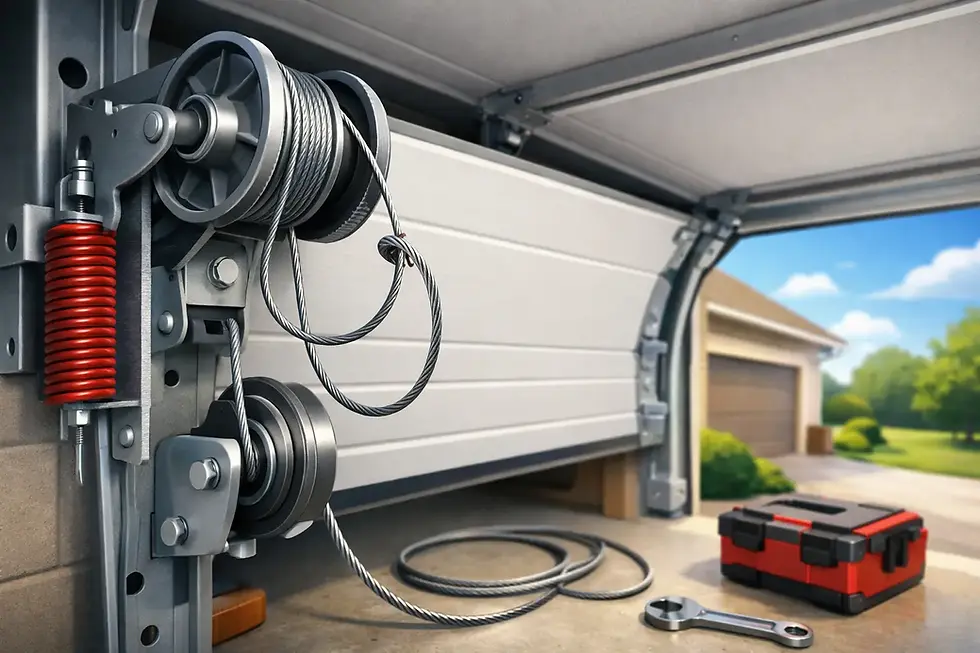
Do not try to adjust torsion springs, cables, or bottom brackets yourself. These parts are under high tension and can cause serious injury if handled incorrectly. If the door is off level or a cable has come loose, keep people clear of the door and arrange for a qualified garage door technician to inspect it.
Check the Opener’s Close Setting Carefully
If the door stops just above the floor but otherwise appears level, the opener’s down-travel setting may need a minor adjustment. This is more common with some older openers. Consult the opener manual for the correct procedure, and make very small adjustments at a time.
Do not set the door to push aggressively into the concrete. Too much downward force can damage the seal, strain the opener, or prevent the safety reversal system from working properly. The door should close firmly enough to seal the opening while still reversing when it contacts an obstruction.
Seal Other Common Garage Draft Paths
The garage door is usually the largest source of drafts, but it is not the only one. Check around service doors, windows, wall penetrations, and any gap where pipes or wiring enter the garage. Weatherstripping around a side entry door and appropriate exterior-grade sealant around small wall openings can make a noticeable difference.
Pay attention to the door between the garage and the house as well. While it does not stop outside air from entering the garage, a properly weatherstripped interior door helps keep hot, humid, dusty garage air from moving into your living space. Make sure this door closes and latches fully.
Avoid blocking garage ventilation that was designed into the structure. Sealing cracks and gaps around the door is different from covering required vents. If you are unsure whether an opening is intentional, have it evaluated before sealing it permanently.
Avoid Quick Fixes That Create Bigger Problems
Foam scraps, towels, and duct tape may seem like an easy way to block a draft, but they rarely hold up. They trap moisture, attract pests, look untidy, and can catch on a moving garage door. Expanding foam is also a poor choice around moving door components because it can interfere with travel and make future repairs harder.
A threshold seal can be useful when the garage floor has minor irregularities, but it is not a cure for a door that is out of balance or damaged. It needs a clean, dry surface and proper adhesive to stay in place. It may also create a small raised edge at the entrance, which is worth considering for rolling bins, bikes, and anyone with mobility concerns.
When to Call for Garage Door Service
Call for service when a draft is tied to door movement, not just worn rubber. A technician can determine whether the door needs roller replacement, track correction, cable service, opener adjustment, or a new bottom seal. Addressing the cause protects the new weatherstripping and helps the door operate safely.
For homeowners in Tampa and nearby Hillsborough, Pasco, and Pinellas communities, Supreme Garage Door LLC can inspect the door, explain what is causing the gap, and provide a clear repair recommendation. A properly fitted seal works best when the door is level, the hardware is in good condition, and the opener closes the door correctly.
A dry, quieter garage starts with a door that closes squarely and seals evenly. Check the perimeter after the next windy or rainy day, and address small gaps before they become a bigger repair, moisture, or pest problem.


Comments