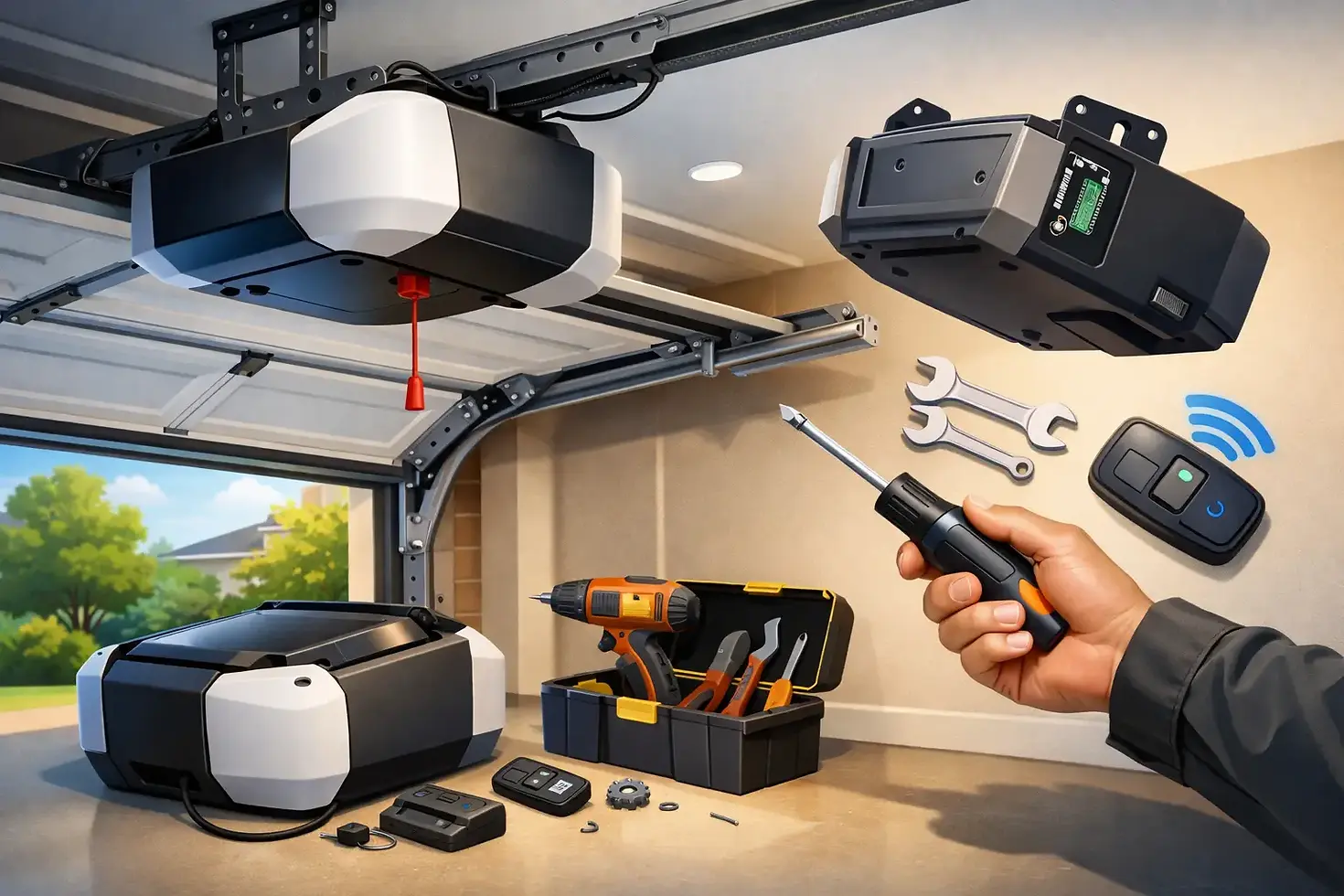
How to Get Garage Door Opener Replacement
- LADE TECH

- May 15
- 6 min read
A garage door opener usually quits at the worst time - when you're heading to work, picking up the kids, or trying to get inside during a Florida downpour. If you're wondering how to get garage door opener replacement, the good news is that the process is usually straightforward once you know whether the opener is truly the problem, what kind of replacement you need, and when to call a professional.
For most homeowners, the biggest mistake is assuming every opener issue means a full replacement. Sometimes the motor is worn out. Sometimes the remote is dead, the safety sensors are misaligned, or the door itself is putting too much strain on the opener. Getting the right answer first can save time, money, and frustration.
How to Get Garage Door Opener Replacement Without Guesswork
The fastest way to get garage door opener replacement is to start with the symptoms, not the product. If the opener hums but the door does not move, if it reverses for no clear reason, if the wall button works but the remote does not, or if the unit is making grinding noises, those details matter. They help determine whether you need a repair, a new opener, or a door system adjustment.
A homeowner can do a few basic checks before scheduling service. Make sure the opener has power, replace the remote battery, and look at the photo-eye sensors near the bottom of the track. If those sensors are blocked or out of alignment, the opener may refuse to close the door. Also check whether the door feels unusually heavy when disconnected from the opener. If it does, the issue may involve springs, rollers, or track alignment rather than the opener itself.
If those simple checks do not solve the problem, the next step is to have the system inspected. A trained technician can tell whether the opener has failed internally or whether another garage door component is causing the opener to struggle. That matters because replacing the opener alone will not fix a door that is out of balance.
When Replacement Makes More Sense Than Repair
Not every malfunction deserves a brand-new opener. In some cases, a repair is the practical choice. If the issue is a sensor, logic board, gear kit, travel setting, or remote programming problem, repair may be enough. This is especially true if the opener is fairly new and the motor is still in solid condition.
Replacement usually makes more sense when the opener is older, unreliable, or no longer worth the cost of repeated service. If the unit is over 10 to 15 years old, parts may be harder to find, safety features may be outdated, and noise levels may be much worse than newer models. If the opener has already needed multiple repairs, investing more money in it may only delay the next breakdown.
There is also a quality-of-life factor. Many homeowners replace openers not because the old one is fully dead, but because they want quieter operation, better security, battery backup, or smartphone control. If your garage is attached to the home or located under a bedroom, upgrading from an older chain-drive unit to a quieter belt-drive opener can make a noticeable difference.
What to Expect During a Garage Door Opener Replacement
If you have never replaced one before, the process is usually faster than people expect. A standard garage door opener replacement starts with removing the old motor unit, rail, and related hardware. Then the new opener is installed, connected to the door, adjusted for proper travel and force settings, and tested with the safety reversal system.
The technician should also check the balance of the door during the visit. This step is important. A new opener is not meant to compensate for a heavy or poorly balanced door. If springs, rollers, or cables are creating extra resistance, that should be addressed so the new opener does not wear out early.
Once the opener is installed, remotes and keypads are programmed, and the wall control is tested. If the new model includes Wi-Fi features, setup may take a little longer, but most systems are user-friendly once connected.
For a typical residential home, replacement can often be completed in a single appointment. The exact time depends on the opener type, ceiling configuration, and whether additional repairs are needed.
Choosing the Right Type of Opener
One part of learning how to get garage door opener replacement is choosing a model that fits your home, not just the lowest-priced unit available. The best opener depends on door size, noise concerns, and how often the garage is used.
Chain-drive openers are durable and often cost less, but they are usually louder. They can be a good fit for detached garages or homeowners focused mainly on budget. Belt-drive openers cost more, but they run much more quietly and are a popular choice for attached garages.
Screw-drive and wall-mount options can also be worth considering in certain homes. A wall-mount opener may be helpful if you want more ceiling storage space or have an unusual setup. That said, not every garage is a good candidate for every opener style, so it helps to have the space evaluated before deciding.
Horsepower matters too, but bigger is not always better. A standard residential door often does well with a properly selected opener in the common power range. Heavier wood doors or oversized doors may require more lifting capacity. What matters most is matching the opener to the actual door weight and condition.
How Much Replacement Usually Costs
Garage door opener replacement costs vary based on the opener type, features, labor, and whether any related parts also need attention. A basic replacement will usually cost less than a premium opener with smart features, battery backup, and quieter drive technology.
Homeowners should also keep in mind that the cheapest quote is not always the best value. If the installer skips balancing checks, uses lower-grade hardware, or leaves existing door issues unresolved, you may end up paying more later. A fair estimate should reflect both the opener itself and proper installation.
If your door has a separate issue, such as worn rollers or an unbalanced spring system, that can affect the total price. It can feel frustrating to hear that more than one component needs work, but addressing those issues at the same time often protects the new opener and helps the whole system run safely.
How to Choose a Company for the Job
When your opener stops working, speed matters, but so does accuracy. Look for a residential garage door company that clearly handles opener replacement, offers estimates, and can explain whether repair or replacement is the better choice. You want a technician who will inspect the full system, not just swap out the motor and leave.
Clear communication is a good sign. The company should be able to explain what failed, what your options are, and what kind of opener fits your home. If emergency service is available, that can also be helpful when your car is trapped inside or the garage will not secure properly.
For homeowners in the Tampa area, working with a local residential company can make the process easier because they understand common homeowner needs, scheduling urgency, and the importance of getting the door working safely again without delays.
Signs You Should Not Wait
Some opener problems can wait a day or two. Others should be handled quickly. If the opener starts the door but cannot finish the cycle, if the unit smokes or smells hot, if the door reverses unpredictably, or if the garage cannot be secured, it is smart to schedule service right away.
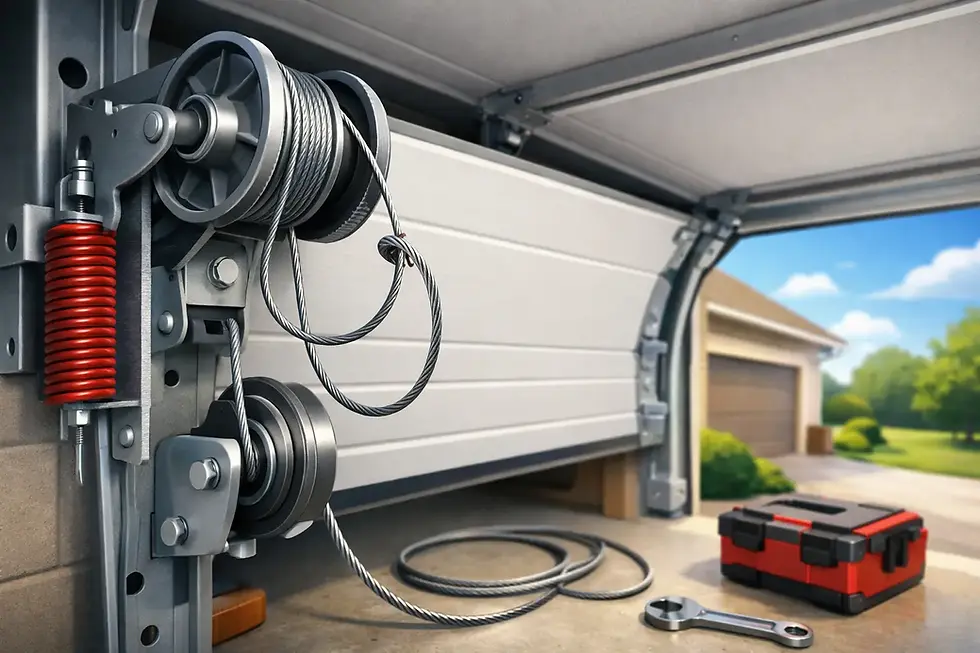
You should also avoid forcing the opener to keep working if the door is jerking, binding, or making unusually loud sounds. That can turn a manageable repair into a larger problem. In some cases, what looks like opener failure is actually a broken spring or cable issue, and those are not safe for DIY handling.
Should You Replace It Yourself?
Some homeowners are comfortable with home improvement projects, but garage door opener replacement is not always a simple weekend job. The electrical connection, mounting, rail alignment, travel settings, and safety testing all need to be right. If the opener is installed incorrectly, the door may not reverse properly or may place unnecessary strain on the system.
DIY replacement may seem like a way to save money, but it depends on the condition of the door and your experience level. If there is any doubt about springs, balance, support framing, or compatibility, professional installation is usually the safer route.
A garage door is one of the largest moving parts in your home. When the opener fails, the real goal is not just getting the door moving again. It is making sure it opens, closes, and secures the home the way it should - safely, reliably, and without adding one more problem to your week.

Comments