
Garage Cable Repair Riverview: What to Do Now
- LADE TECH

- Jul 26
- 5 min read
A garage door cable may look like a small part of a large system, but when it slips, frays, or breaks, the entire door can become unsafe to use. For garage cable repair Riverview homeowners can count on, the first priority is protecting the door, your vehicle, and anyone nearby. A door that is hanging crooked or stuck halfway should not be forced open or closed.
Garage door cables work under significant tension. They help lift and lower a heavy door by transferring force from the springs and drums at the top of the system. When a cable comes off, the problem may be limited to the cable and drum. In many cases, though, it is a sign that another part - such as a broken spring, worn roller, bent track, or damaged bottom bracket - needs attention too.
What a Thrown or Broken Garage Cable Looks Like
The most common sign is a door that sits unevenly. One side may be close to the floor while the other side is raised several inches. You may also see a loose cable hanging near the track, wrapped around the drum above the door, or resting on the floor beside it.
Other warning signs include a door that stops after moving only a short distance, loud popping or grinding sounds, a garage door opener that hums without moving the door, or a door that feels unusually heavy when operated manually. If the cable is frayed, individual wire strands may be visible. That cable should be replaced rather than adjusted and reused.
Do not assume the opener is the problem just because the door will not move. Openers are designed to move a balanced door, not lift a door with a failed cable or broken spring. Continuing to press the wall button or remote can strain the opener, bend components, or make the door bind more severely.
Why Garage Door Cables Come Off
A cable does not usually come off its drum without a reason. Identifying the cause matters because simply putting the cable back in place may only provide a short-term fix.
A broken torsion spring is one of the leading causes. When one spring breaks, the door can drop unevenly, creating slack in a cable and allowing it to jump off the drum. A worn or broken roller can also pull the door out of its normal path, while a damaged track may cause the door to catch and tilt as it travels.
Sometimes the issue starts at the bottom of the door. The cable connects to a bottom bracket, which is under spring tension. Corrosion, impact damage, or a loose bracket can affect cable alignment. In Florida, moisture and salt air can speed up corrosion, especially in garages that are not fully enclosed or regularly maintained.
An accidental impact is another possibility. A vehicle, lawn equipment, trash bin, or other object that hits the lower section of the door can shift the track or roller enough to create a cable problem. Even if the dent looks minor, the door should be checked before it is used again.
What to Do When Your Garage Door Cable Comes Off
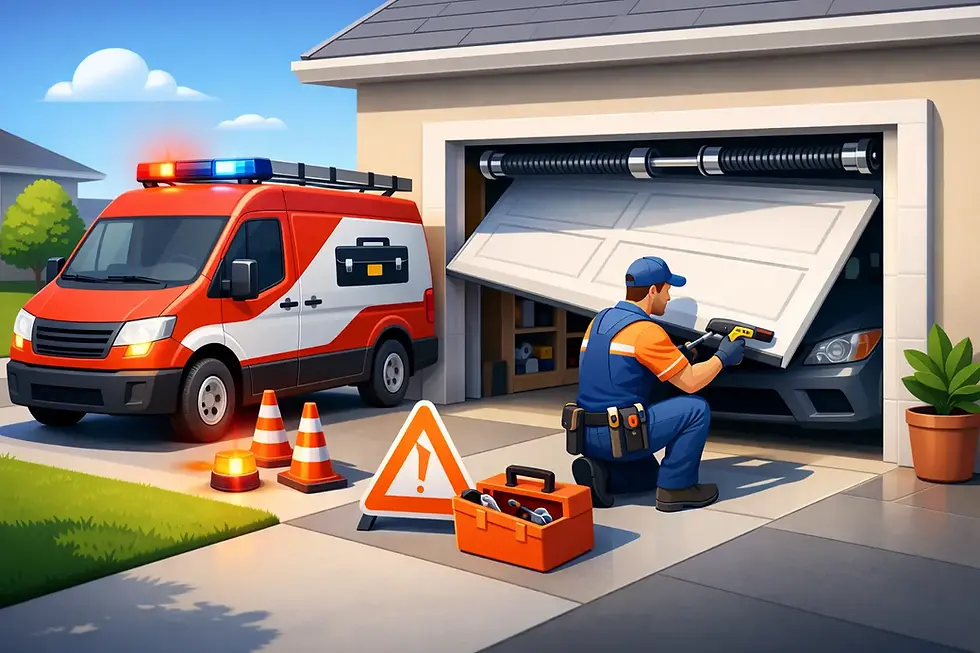
Start by stopping operation of the door. Keep people, pets, and vehicles clear of the opening, especially if the door is partially raised or visibly crooked. If the door is open and you can safely park elsewhere, leave the area clear until it can be inspected.
Do not pull on the loose cable. Do not try to wind it around the drum, loosen the bottom bracket, or remove a spring. These parts store energy that can release suddenly. A cable repair can involve resetting drums, restoring proper tension, checking spring balance, and making sure both sides of the door move evenly. That is not the same as tightening a loose household screw.
If the opener is connected, avoid running it repeatedly. You can unplug the opener to prevent accidental use, but do not pull the emergency release cord if the door is open, off-track, or unsupported. Releasing it in that condition can allow the door to fall.
A few details can help a technician prepare for the repair: whether the door is open or closed, whether one side is hanging lower than the other, whether you heard a loud bang, and whether the cable appears frayed or simply off the drum. You do not need to diagnose the system yourself. Clear information just helps the repair move faster.
What Professional Garage Cable Repair in Riverview Includes
A proper service visit begins with a safety inspection, not just a quick cable reset. The technician checks the cable condition, drums, torsion or extension springs, tracks, rollers, hinges, bearings, and bottom brackets. The goal is to find out why the cable failed and correct the cause before the door is placed back in service.
If the cable is damaged, it should be replaced with the correct size and type for the door. Residential doors vary in weight, height, track configuration, and spring system. Using the wrong cable or setting the tension incorrectly can leave the door unbalanced and create another failure.
The door should also be tested by hand after the repair. A properly balanced garage door should move smoothly and stay reasonably in place when opened partway. The opener is then tested to make sure it operates without excessive force, shaking, or strain. If a spring is worn or broken, replacing only the cable may not be the right repair. Addressing both issues at the same time is often safer and more cost-effective than waiting for another breakdown.
At Supreme Garage Door LLC, homeowners can request a free estimate and clear explanation of the repair before work begins. That matters when the issue is more than a cable, because you should understand what failed, what needs to be fixed now, and what can be monitored later.
Can You Still Use the Garage Door?
It depends on the condition of the door, but the safest answer is usually no. A fully closed door with a loose cable may appear stable, yet attempting to open it can pull the door out of the track. A partially open or crooked door is more urgent because its weight may not be supported evenly.
If you need access to your home, use another entry if possible. Do not stand under a raised door, and do not ask someone to hold it while another person works on the cable. A typical residential garage door can weigh hundreds of pounds. The risk is not worth saving a service call.
Emergency help is especially useful when the door will not close and your garage cannot be secured, when a vehicle is trapped inside, or when the door is hanging in an unstable position. A prompt repair can restore safe access without turning a cable issue into damaged tracks, panels, or an opener replacement.
How to Help Prevent Another Cable Problem
Garage door cables are not a homeowner DIY item, but basic maintenance can reduce the conditions that lead to cable trouble. Watch the door as it moves once a month. It should travel straight, with no jerking, rubbing, or side-to-side wobble. Listen for new squeaks, scraping, or popping sounds.
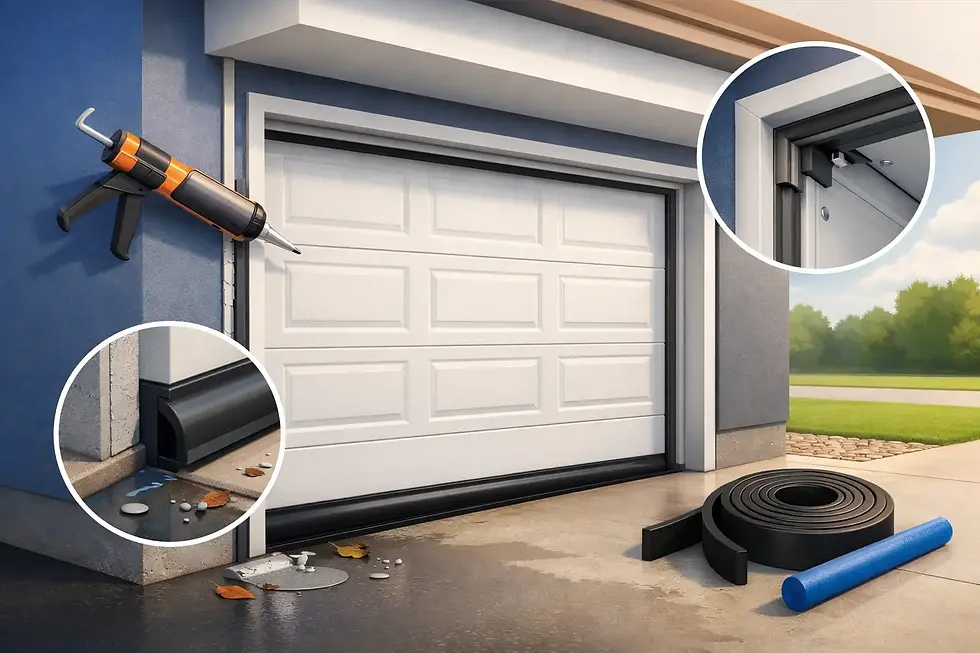
Keep the tracks clear of stored items and avoid bumping them with vehicles or tools. Check the bottom weather seal area for standing water and visible corrosion near the lower brackets. It is also wise to schedule maintenance when the door begins sounding rough or moving unevenly, rather than waiting for a full failure.
Never spray heavy grease on cables, drums, or tracks. It collects dirt and can interfere with smooth movement. A technician can lubricate the appropriate moving parts and inspect cable wear during a regular tune-up.
A loose garage cable is a clear sign to pause and get the door checked. Acting early protects the larger system, helps keep your home secure, and gets your normal routine moving again with less stress.

Comments